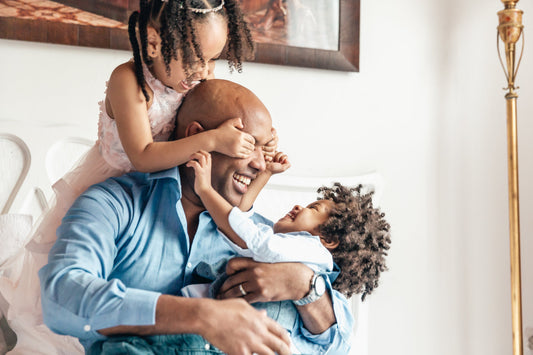

The Link Between Play and Behaviour
Behaviour is often one of the biggest concerns for parents. Tantrums, frustration, hitting and not listening. It can feel overwhelming and sometimes difficult to understand.
But behaviour is not just something to manage.
Behaviour is something to understand.
Young children are still developing the skills they need to communicate, regulate emotions and make sense of their experiences. When they feel overwhelmed, tired, frustrated or unsure, these feelings often come out through behaviour.
Play plays a powerful role in supporting behaviour because it gives children a safe space to express, process and understand their emotions.
For example:
- Role play allows children to act out real-life situations and make sense of them.
- Physical play helps release built-up energy and reduce frustration.
- Sensory play can be calming and regulating.
- Repetitive play can provide comfort and predictability.
When children do not have enough opportunities to play, move and express themselves, their emotions can build up and this can often show through challenging behaviour.
Instead of seeing behaviour as something to stop, it can be helpful to ask:
“What is my child trying to tell me?”
Often, behind behaviour is a need, a need for connection, movement, attention, rest or understanding.
Play does not “fix” behaviour overnight, but it supports the development of the skills children need to manage their emotions over time.
Curious Minds Thought:
Behaviour is communication and play is one of the ways children learn to express it